


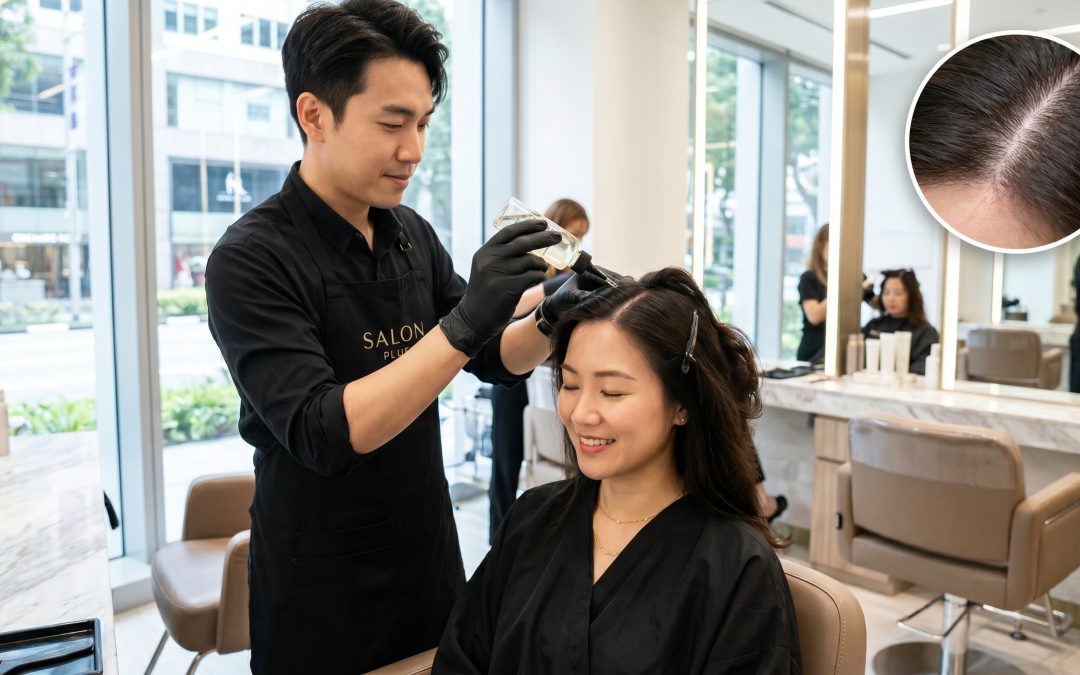
Booking a color appointment should be an exciting experience, not a source of physical anxiety. However, if you have a sensitive scalp, the fear of severe stinging, redness, or contact dermatitis from hair dye is incredibly valid. Historically, chemical burns from ammonia and allergic reactions to Paraphenylenediamine (PPD)—a common chemical found in dark hair dyes—have caused clients immense discomfort [1]. The truth is, these painful reactions are largely preventable with proper biological safeguards. A responsible hairdressing salon singapore knows that achieving a beautiful aesthetic should never compromise your dermatological health. By implementing strict, non-negotiable safety protocols before a single drop of chemical touches your head, we ensure that your color journey is as safe and relaxing as it is stunning.
1. The Mandatory Patch Test: Diagnosing PPD Sensitivity
The Technique: An allergic reaction to hair dye is an immune system response, usually triggered by PPD or similar pigment-forming agents [2]. This protocol involves identifying a potential allergy before applying the chemical to your entire head.
- Service Breakdown: At our colours hair salon singapore, we mandate a 48-hour patch test for new clients or those making a drastic color change. A microscopic amount of the intended dye is applied behind the ear or on the inner elbow. If your immune system recognizes the chemical as a threat, it will produce localized redness or itching, signaling us to alter the formulation or switch to a PPD-free alternative to prevent a full-scalp reaction.
- Styling Trick: If you have known, severe sensitivities to root-applied dyes, talk to your stylist about off-scalp coloring techniques like balayage or foil highlights. Because the dye is painted onto the hair shaft and never physically touches the skin, the risk of a reaction is virtually eliminated.
- Tip for styling in SG weather: Sweating in Singapore’s heat can exacerbate a mild allergic reaction or skin irritation. If you feel any lingering warmth or tingling after your salon visit, stay in a cool, air-conditioned environment to prevent sweat from further aggravating the pores.
- What to Expect from Maintenance: A patch test is not a one-and-done clearance. Because the immune system can develop a new allergy at any point in your life, you should request a fresh patch test if you change dye brands or take a long hiatus from coloring.
2. The Scalp Barrier Shield: Preventing Chemical Burns
The Transformation: Unlike an allergy, a chemical burn is a direct physical injury caused by high-alkaline lifting agents, such as bleach or ammonia, stripping the protective lipid layer of the skin. This step creates an artificial shield to protect the skin’s integrity.
- Service Breakdown: Before the color application begins, the stylist meticulously sections the hair and applies a professional-grade, lipid-based scalp barrier oil directly to the skin. This creates a protective, hydrophobic coating over the epidermis [4]. It allows the hair dye to fully penetrate the roots but stops harsh alkaline chemicals from actively burning or dehydrating the sensitive scalp tissue. We also prioritize gentle, low-ammonia or ammonia-free color formulations whenever lifting allows.
- Styling Trick: Do not aggressively scratch your scalp or use harsh physical exfoliants for at least 48 hours before your color appointment. Micro-tears in the skin act as direct entry points for chemicals, significantly increasing the likelihood of stinging during the process.
- Tip for styling in Singapore’s climate: A healthy scalp barrier is your first line of defense against Singapore’s intense UV radiation [3]. Utilizing barrier oils during coloring ensures this vital natural defense is not chemically stripped away, protecting you from post-salon sun damage.
- What to Expect for Maintenance: If you require frequent root touch-ups to cover greys, insist on the application of a scalp barrier oil at every single visit to prevent cumulative chemical thinning of the scalp skin over time.
3. Post-Color Scalp Soothing & pH Rebalancing
The Transformation: The coloring process forces the hair and scalp into a highly alkaline state to open the cuticle. Leaving the skin in this state causes prolonged tightness, itching, and flaking. This final step neutralizes the chemicals and restores harmony.
- Service Breakdown: Immediately after rinsing the color, we perform a targeted, post-chemical scalp treatment orchard. This involves washing the scalp with a specialized acidic neutralizing shampoo that stops the chemical oxidation process instantly [2]. We then apply a soothing, pH-balancing serum infused with anti-inflammatory botanical extracts to calm any minor irritation and restore the scalp’s natural pH to a healthy 5.5.
- Styling Trick: Switch to a fragrance-free, sulfate-free, and color-safe shampoo for the first two weeks following your appointment. Artificial fragrances are known irritants that can trigger flare-ups on freshly processed skin.
- Tip for styling in SG weather: In the humid climate, a compromised scalp can easily become a breeding ground for fungal infections like dandruff if left out of balance. Ensuring your roots are thoroughly blow-dried on a cool setting prevents moisture from trapping residual chemicals against the skin [3].
- What to Expect for Maintenance: To keep your skin resilient between color appointments, schedule a soothing, hydrating scalp spa treatment every 4 to 6 weeks. This fortifies the lipid barrier, ensuring your scalp is strong and ready for your next color service.
Ready for a Beautiful, Pain-Free Color Experience?
You should never have to endure physical pain or compromise your health to achieve beautiful hair. By utilizing scientific safety protocols, rigorous allergy testing, and premium protective barriers, we eliminate the anxiety associated with chemical processing.
Are you ready to color with absolute confidence? Book a patch test and consultation at the most trusted hair salon singapore, SalonPlus. We will conduct a thorough dermatological assessment and map out a gentle, stunning color transformation tailored exactly to your skin’s unique needs.
References
[1] American Academy of Dermatology Association (AAD). (2026). Contact dermatitis. (Clinical guidelines explaining the immune response behind Paraphenylenediamine (PPD) allergies and chemical irritant contact dermatitis).
[2] Wikipedia. (2026). Hair coloring. (General reference outlining the chemical oxidation process of hair dye and the function of alkaline lifting agents).
[3] National Environment Agency (NEA), Singapore. (2026). Climate of Singapore. (Meteorological data detailing the high ambient heat and humidity that can exacerbate skin irritation and sweat-induced chemical sensitivity).
[4] International Journal of Trichology. (2026). Hair Cosmetics: An Overview. (Scientific source explaining the mechanism of protective lipid barrier oils and post-chemical pH neutralization to prevent scalp burns).